Zirconia Crowns in Los Angeles
Back teeth take the force. Zirconia is the strongest tooth-colored material available, which is why Smile LA Downtown Modern Dentistry reaches for it on molars and on patients whose bite has already broken something.

Where zirconia earns its place
Back teeth take the force. The bite generates far more load across the molars than anywhere near the front of the mouth, and a crown material that is perfectly adequate on an incisor is being asked to do something quite different at the back — which is where zirconia comes in. It is the strongest tooth-colored material available, and that combination is the whole argument: before it existed, a crown in a heavy-load position generally meant accepting metal. It is not the most translucent option and it does not need to be, because the teeth it is chosen for are the ones nobody sees. Where appearance is the priority, another material usually is.
-
Molars and premolars
The chewing load at the back of the mouth is where crown material is genuinely tested.
-
If you grind or clench
Bruxism wears down enamel and can fracture teeth, fillings and crowns. A stronger crown lasts better under it — and a night guard is what stops the damage at source.
-
Where a previous crown has failed
If something broke, the replacement should be tougher than what it replaces.
-
Still tooth-colored
Which is the whole reason it displaced metal for these cases.
Zirconia against the alternatives
-
Against all ceramic
Stronger, marginally less translucent. On a molar nobody sees the difference; on a front tooth some people do. See all ceramic crowns.
-
Against gold
Comparable durability, and it looks like a tooth. Gold is gentler on the tooth it bites against. See gold crowns.
Fitting it
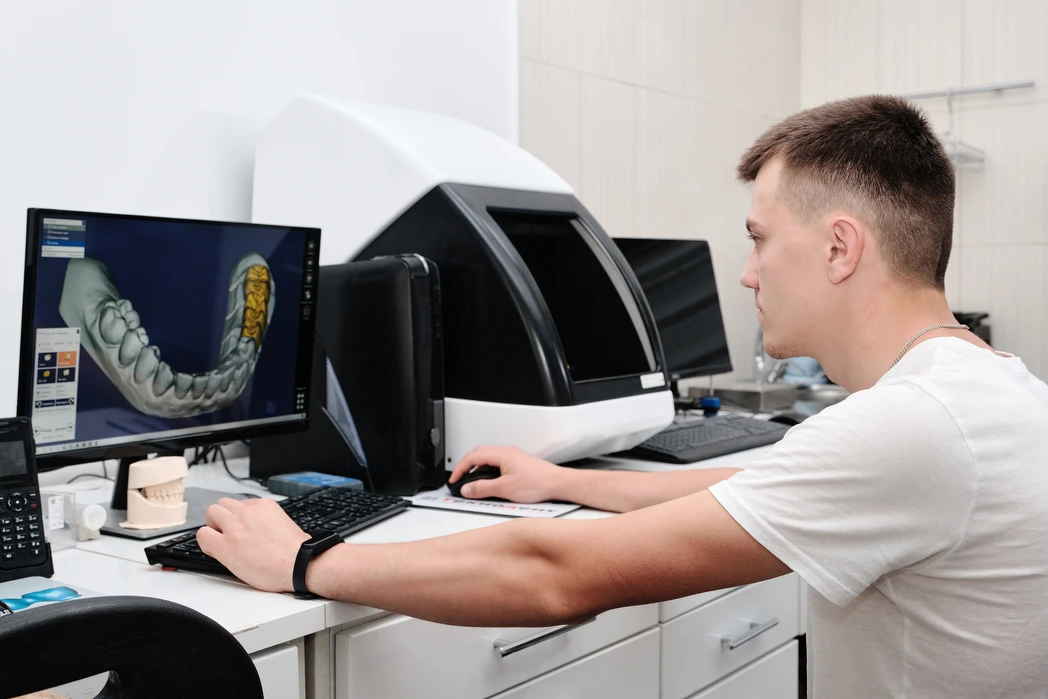
Consultation, preparation, digital impressions, placement — the process is the same whichever material you choose. See dental crowns.
A zirconia crown is a tooth-colored cap made from zirconium dioxide, the strongest tooth-colored material used in dentistry. It is fitted through the same steps as any crown, consultation, preparation, digital impressions and placement, and it is commonly chosen for molars and premolars where chewing forces are highest. It suits patients who grind or clench, or whose previous crown has failed, because it stands up to heavy load while still looking like a tooth.
Zirconia Crowns FAQ
Why zirconia rather than ceramic?
- Zirconia is chosen over all-ceramic mainly for strength, since it is the toughest tooth-colored material available. That matters most on back teeth, where chewing forces are highest, and for patients who grind. All ceramic is marginally more translucent, which counts more on a front tooth than a molar. On a tooth nobody sees, zirconia’s strength is usually the deciding factor.
Does it look like a real tooth?
- Yes, a zirconia crown is tooth-colored and looks like a real tooth. It is slightly less translucent than all-ceramic, so ceramic is often preferred on a front tooth. At the back of the mouth that difference is not noticeable. That is why zirconia replaced metal for most heavy-load crowns.
I grind my teeth — is zirconia the answer?
- Zirconia stands up to grinding better than the alternatives, but the grinding itself still needs addressing. Bruxism wears down enamel and can fracture teeth, fillings and crowns. A custom night guard protects the crown and everything around it by stopping the damage at source. Whether a night guard is right for you is discussed at your visit.
Can zirconia be used at the front?
- Yes, zirconia can be used on a front tooth, and sometimes it should be. Because it is slightly less translucent than all ceramic, some people notice the difference on a front tooth. Where strength matters more, such as a heavy bite or a previously failed crown, zirconia may still be the better fit. Which material suits is decided tooth by tooth.