


Restorative Dentistry
Expert Root Canal Therapy in Los Angeles
Saving the tooth you already have.
Dr. Kourosh Yousefzadeh and Dr. Razmik Galustian offer root canal therapy at Smile LA Downtown Modern Dentistry, designed to save and preserve damaged teeth. Both have performed a great many of them, and both will tell you plainly whether a root canal is the right answer for your tooth or whether something else is.

When it is needed
When a root canal is necessary
Root canal therapy becomes necessary when the pulp inside a tooth — the nerve and blood supply at its center — is infected or badly damaged. The treatment removes that tissue, cleans and seals the canals it occupied, and leaves the tooth in place. Which is the point, and the thing worth being clear about: a root canal is how a tooth gets kept, not a step on the way to losing it. The alternative to treating an infected pulp is not leaving the tooth alone; it is extraction and then replacing the tooth with something else. Root canals have a reputation built largely on how they felt decades ago rather than on how they are done now.
- Decay Bacteria from tooth decay can reach and infect the pulp.
- Trauma An injury to the tooth may cause inflammation or infection.
- Deep fillings Large fillings close to the pulp can lead to infection.
Symptoms
Symptoms worth getting looked at
Pulp infection announces itself in several ways and not always as straightforward toothache. Any of these is worth an appointment.
- A persistent toothache Especially on exposure to hot or cold.
- Pain that disrupts your sleep Severe enough to wake you or keep you up.
- Pain on chewing or biting Pressure on the tooth hurts.
- Gum swelling Possibly with pus discharge.
- Pain radiating outward Into other areas of the jaw or head.
How the procedure runs
- Accurate diagnosis A detailed examination and digital X-rays to evaluate your symptoms and establish how far the infection has gone, so the treatment plan fits the actual problem.
- Thorough treatment Depending on severity we may complete the root canal in one visit. Where the infection is severe, antibiotics may be prescribed first to bring it down. That sequence is what allows the infection to be removed completely and the tooth and gums to heal properly.
- High-quality materials Advanced rotary instruments, and biocompatible materials to fill and seal the canals that replicate the strength and flexibility of natural tooth roots. Where the tooth needs protecting we can place a porcelain crown to restore its function.
Comfort during the procedure
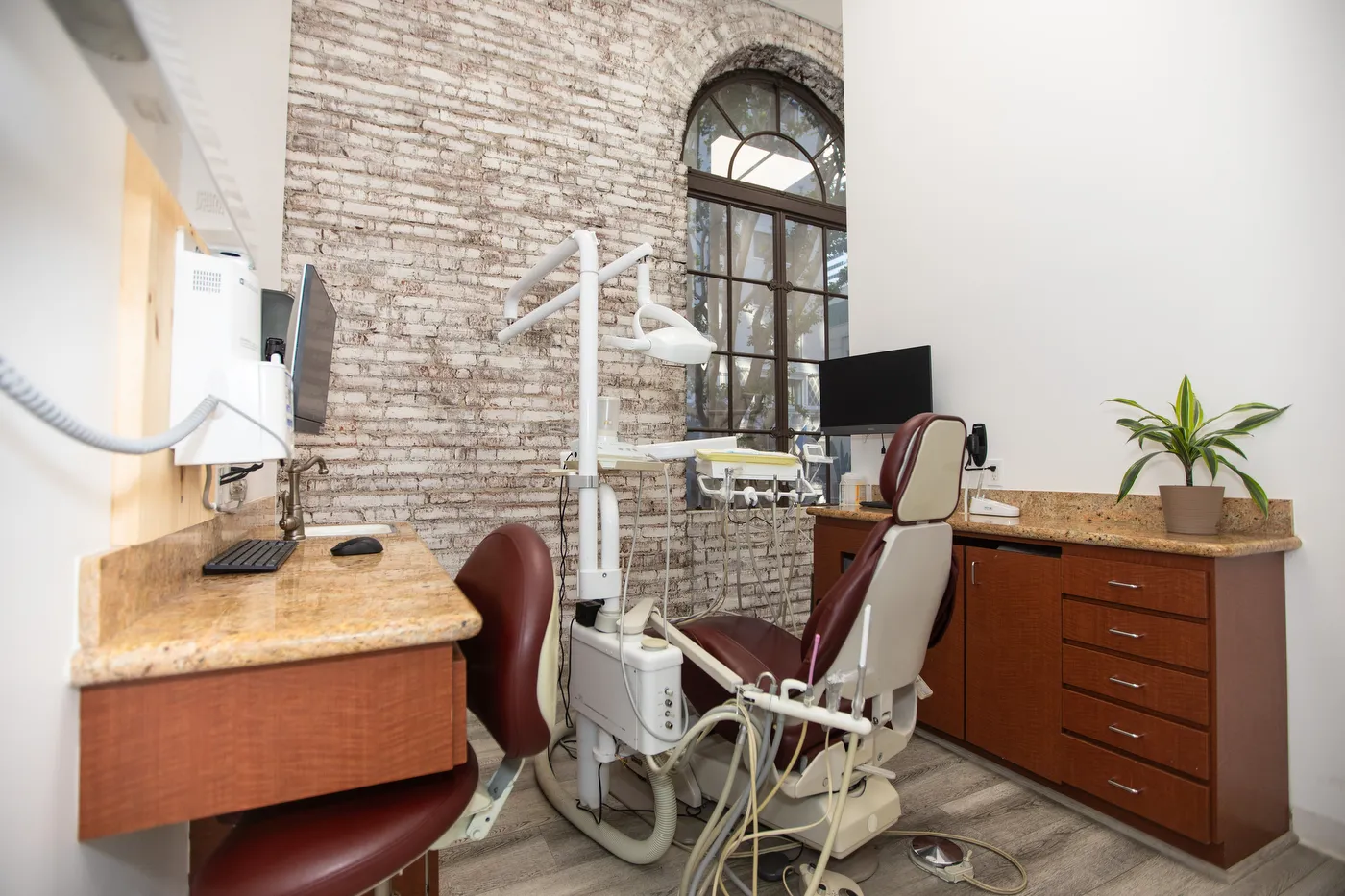
Your comfort is the priority. The facility is equipped with current technology and the team works to make the process as pain-free as possible — and there are cosy blankets, music or a film if that helps the appointment pass more easily.
The short answer
A root canal is a treatment that saves a tooth whose pulp, the nerve and blood supply at its center, has become infected or badly damaged. The infected tissue is removed, the canals it occupied are cleaned, filled and sealed with biocompatible materials, and a porcelain crown is placed if the tooth needs protecting. It keeps the natural tooth in place, where the alternative to treating an infected pulp is extraction and replacing the tooth with something else.
Root Canal FAQ
- How do I know if I need a root canal?
- Common signs are a persistent toothache, especially with hot or cold, pain severe enough to disrupt sleep, pain on chewing or biting, gum swelling with possible pus discharge, or pain radiating into the jaw or head. Pulp infection does not always show up as straightforward toothache, so any of these is worth an appointment. A detailed examination and digital X-rays establish whether the pulp is actually involved and how far the infection has gone.
- Can it be done in one visit?
- Often, yes, depending on the severity of the infection. Where the infection is severe, antibiotics may be prescribed first to bring it down before the root canal goes ahead. That sequence is what allows the infection to be removed completely and the tooth and gums to heal properly.
- Does a root canal hurt?
- Comfort is the priority throughout, and the team works to make the process as comfortable as possible using current technology. The reputation root canals have is built largely on how they felt decades ago rather than on how they are done now. Blankets, music or a film are available if they help the appointment pass more easily.
- Will I need a crown afterwards?
- Sometimes — it depends on whether the treated tooth needs protecting. Where it does, a porcelain crown can be placed to restore its strength and function. The canals themselves are sealed with biocompatible materials that replicate the strength and flexibility of natural tooth roots.
- What causes the pulp to become infected?
- Three things mostly: bacteria from tooth decay reaching the pulp, trauma to the tooth causing inflammation or infection, and large fillings placed close to the pulp. Each of these can let infection reach the nerve and blood supply at the center of the tooth. Once the pulp is infected, root canal treatment is how the tooth is kept rather than extracted.
- Do I need to see a specialist?
- Not necessarily. Dr. Kourosh Yousefzadeh and Dr. Razmik Galustian are both experienced general dentists who have performed numerous root canals. They will tell you plainly whether a root canal is the right answer for your tooth, and if your case is better referred.