


Restorative Dentistry
Gold Crowns in Los Angeles
Out of fashion, not out of merit.
Almost nobody asks for gold any more, and in a few situations it is still the best material for the job. Smile LA Downtown Modern Dentistry will tell you when yours is one of them.
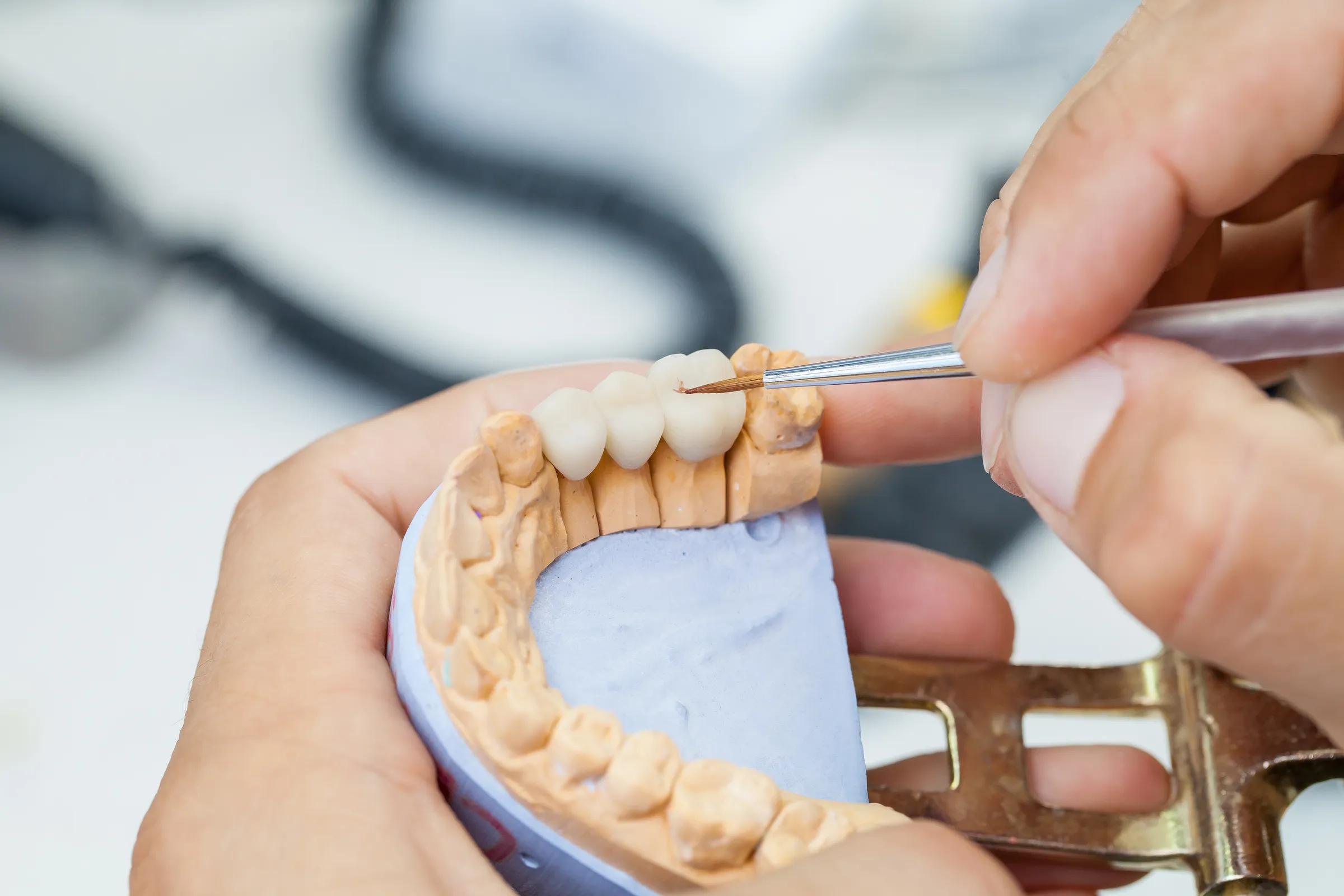

The case for gold
What gold does that ceramic does not
Gold went out of fashion, and fashion is not the same thing as merit. Almost nobody asks for it now, and there are still a handful of situations where it is the technically better answer — enough that it belongs in the conversation rather than being quietly dropped from it. The arguments for it are all about behavior rather than appearance: how it wears against the tooth it bites, how much of your own tooth has to come away to fit it, and the way it fails when it eventually does. None of those count for much on a tooth near the front of your mouth. On a lower molar in a heavy bite, all four of them do.
- It is kind to the opposing tooth Gold wears at a rate close to natural enamel. Ceramic is harder than enamel, so over years it can wear the tooth it bites against. On a heavy bite that difference is real.
- Less tooth has to be removed Gold can be made thinner and still hold, so preparation is more conservative than for a ceramic crown of the same tooth.
- It does not chip Gold deforms rather than fracturing, which is the opposite failure mode to ceramic.
- The margins seal well Which is what keeps decay from starting again underneath.
The drawback
The obvious drawback
It is gold-colored. On a molar at the back of the lower arch that is usually invisible in normal conversation; anywhere further forward it is a decision, not a detail. For anything that shows, all ceramic or zirconia is the answer.
How to decide
It comes down to which tooth, how hard you bite, how much tooth is left to work with, and how much you care what it looks like. That is a conversation with the tooth in front of us rather than a rule. See dental crowns for the process and crowns and bridges for the wider choice.
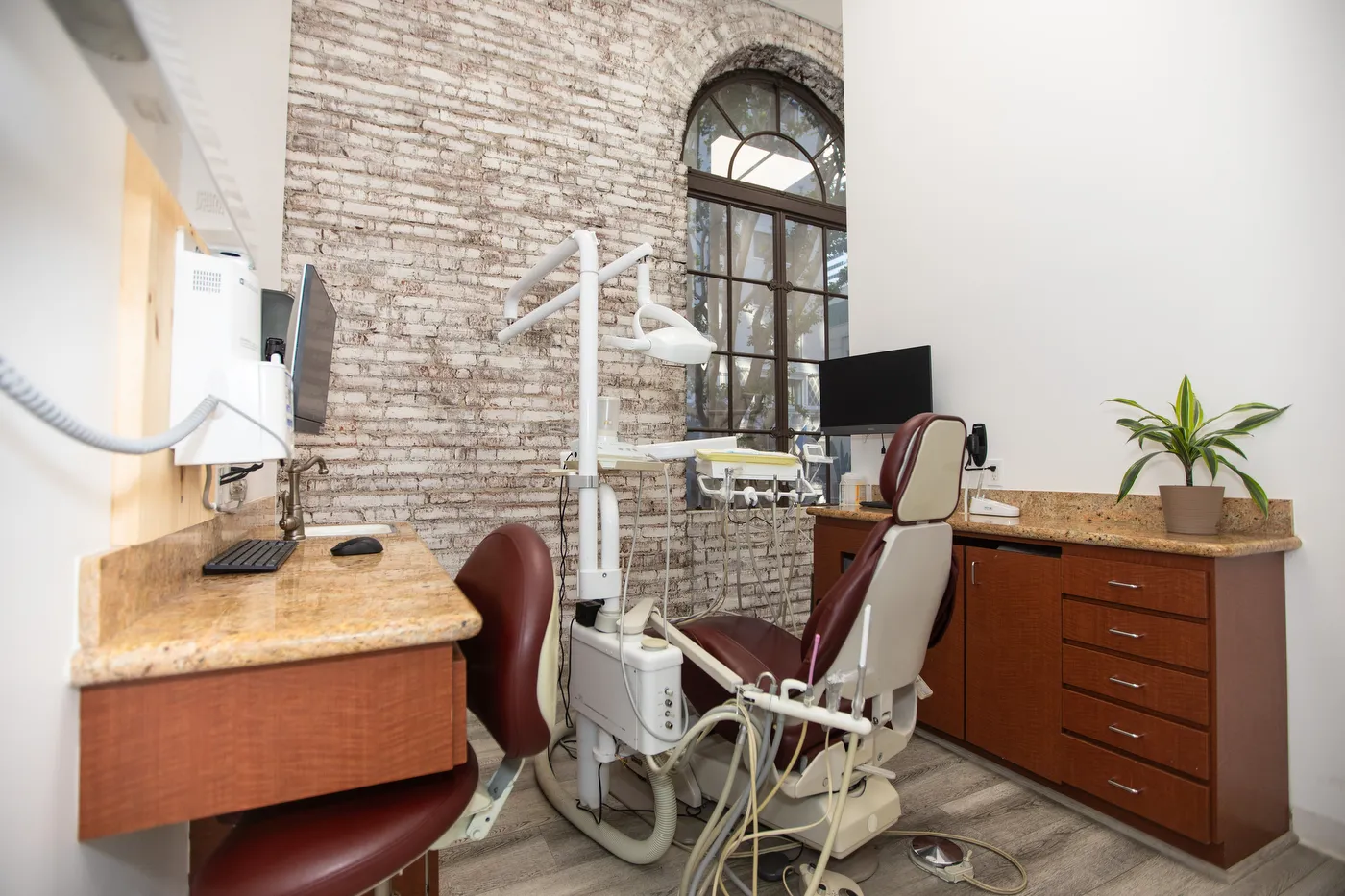
The short answer
A gold crown is a cap made from a gold alloy that covers a damaged tooth and is most useful on a molar at the back of the mouth. The tooth is prepared and the crown is fitted over it, and because gold holds at a thinner section, less of the natural tooth has to be removed than for a ceramic crown. Gold wears at a rate close to natural enamel, deforms rather than chipping and seals well at the margins, which makes it a strong choice for a back tooth under a heavy bite.
Gold Crowns FAQ
- Why would anyone still choose gold?
- Gold is still chosen because it wears at a rate close to natural enamel, needs less tooth removed than a ceramic crown, and deforms rather than chipping. Ceramic is harder than enamel, so over years it can wear the tooth it bites against, and on a heavy bite that difference is real. Gold’s margins also seal well, which helps keep decay from starting again underneath. These advantages matter most on a lower molar in a heavy bite and count for little on a tooth near the front.
- Will it be visible?
- On a back molar, a gold crown is usually not visible in normal conversation. Anywhere further forward it will show, because the crown is gold-colored. For any tooth that shows when you talk or smile, an all ceramic or zirconia crown is the better choice. Where the crown goes is part of deciding which material suits the tooth.
- Is gold stronger than zirconia?
- Gold and zirconia fail differently rather than one simply being stronger than the other. Zirconia is exceptionally hard, while gold deforms instead of fracturing and is gentler on the opposing tooth. Which matters more depends on which tooth is being restored, how hard you bite and how much tooth is left to work with. That choice is made with the tooth in front of the dentist rather than by a general rule.
- Is less of my tooth removed?
- Yes, a gold crown usually needs less of your tooth removed than a ceramic crown on the same tooth. Gold holds at a thinner section, so the preparation can be more conservative. Keeping more of your own tooth structure is one of the main technical reasons gold is still used. How much has to be removed in your case depends on how much tooth is left to work with.