


Cosmetic Dentistry
Gum Contouring in Downtown Los Angeles
When the teeth are fine and the frame around them is not.
A gummy smile, or a gum line that sits higher on one tooth than the next, changes how the teeth themselves read. Laser gum contouring at Smile LA Downtown Modern Dentistry reshapes the tissue gently, for a more balanced result.
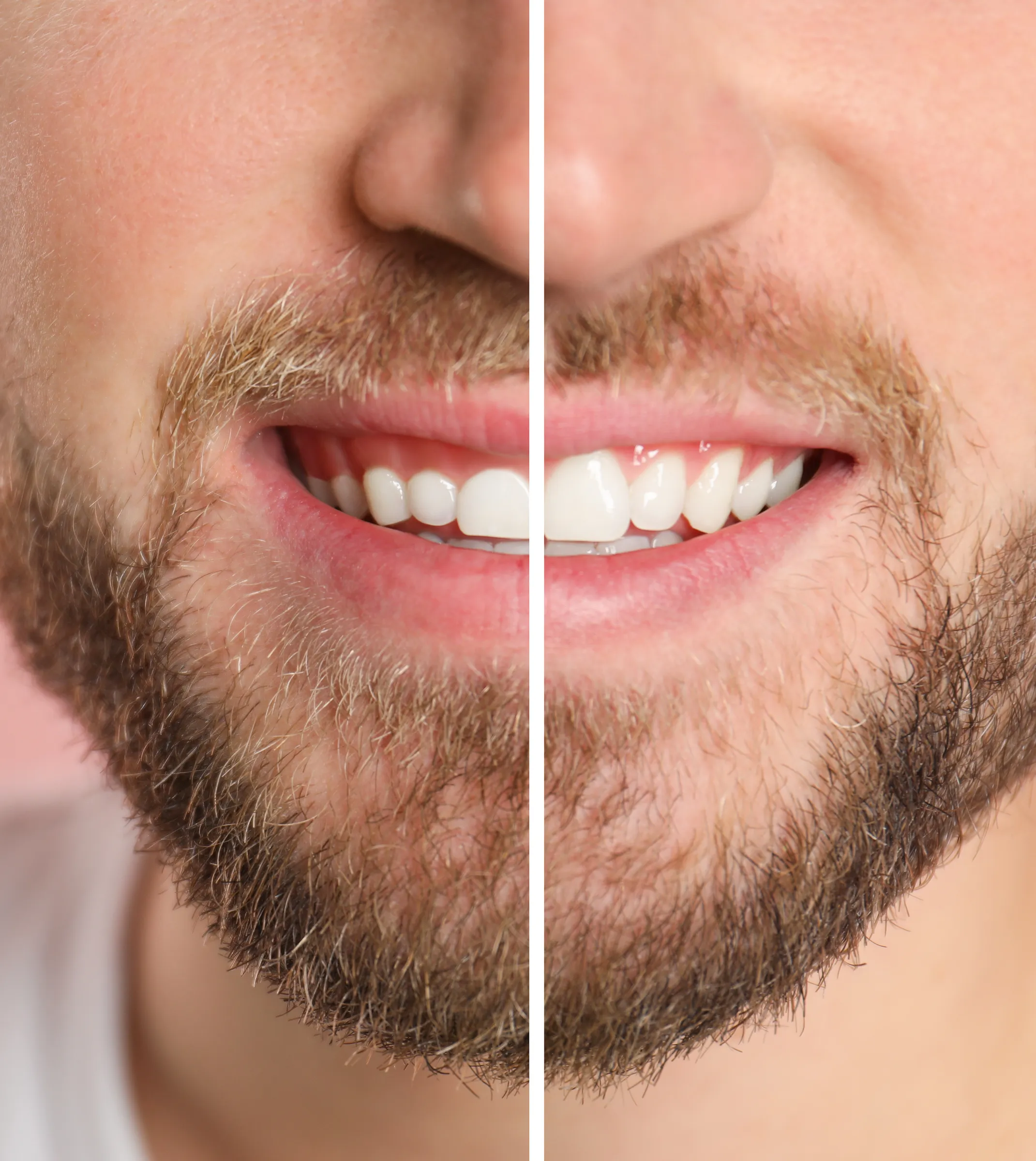
The frame
What contouring corrects
Teeth are read against the gum around them, not on their own. A tooth of perfectly good proportions looks short if too much gum covers it, and a row of even teeth looks uneven if the tissue sits at different heights across them — which is why people often arrive convinced there is something wrong with their teeth when the teeth themselves are fine. Contouring reshapes the tissue and does not touch the teeth at all. It is a small change with a disproportionate effect, because it alters how much of each tooth shows and how level the line across them reads. Done with a laser, it is also among the gentler things in cosmetic dentistry.
- A gummy smile Where more gum shows than you would like when you smile fully, making otherwise well-proportioned teeth look short.
- An uneven gum line Where the tissue sits at different heights across the front teeth, so the teeth look mismatched even when they are not.
- Function as well as appearance Gingivoplasty is soft tissue re-contouring, and it improves both — the aesthetics are the reason most people ask, not the only reason to do it.
The instrument
Done with a laser
Laser dentistry is one of the technologies in the office, and soft tissue is where it earns its place: the reshaping is precise and gentle. See the technology page for what else it is used for.
Contouring, or crown lengthening?
They look similar and are not the same job. Contouring reshapes gum tissue for appearance. Crown lengthening adjusts the gum line to expose more of the natural tooth, usually because a crown or another restoration needs room to fit properly. Which one you need depends on why the gum is where it is, and that is what the examination establishes.
If the gums are not healthy first
Reshaping healthy tissue is cosmetic; reshaping inflamed tissue is treating the wrong problem. Where gum disease is present it is dealt with first, because nothing cosmetic holds on an unhealthy foundation.
The short answer
Gum contouring, also called gingivoplasty, is a procedure that reshapes the gum tissue to improve the appearance and function of the smile. It is commonly performed with a soft-tissue laser, which reshapes the gum line precisely and gently without touching the teeth themselves. It is used for a gummy smile, where too much gum makes well-proportioned teeth look short, or for an uneven gum line, once any gum disease has been treated.
Gum Contouring FAQ
- What is gum contouring?
- Gum contouring, also called gingivoplasty, is the reshaping of the gum tissue to improve both the function and the appearance of your smile. It changes the frame around the teeth and does not touch the teeth themselves. Teeth are read against the gum around them, so changing how much of each tooth shows can change the whole smile. It is commonly done with a soft-tissue laser.
- What is a gummy smile?
- A gummy smile is one where more gum shows than you would like when you smile fully. Too much gum over a tooth makes teeth of perfectly good proportions look shorter than they are. Many people assume something is wrong with their teeth when the teeth themselves are fine. Contouring reshapes the gum so more of each tooth shows.
- Is it done with a laser?
- Yes — gum contouring is done with a laser, which reshapes the gum line gently and precisely. Soft tissue is where laser dentistry earns its place in the office. The precision matters because the change is small and its effect on the smile is large. It also makes contouring among the gentler procedures in cosmetic dentistry.
- How is it different from crown lengthening?
- Gum contouring reshapes gum tissue for appearance, while crown lengthening adjusts the gum line to expose more of the natural tooth. Crown lengthening is usually done so that a crown or another restoration has room to fit properly. They look similar but are not the same job. Which one you need depends on why the gum sits where it does, and that is what the examination establishes.
- What if I have gum disease?
- If you have gum disease, it is treated first, before any contouring. Reshaping inflamed tissue treats the wrong problem, and cosmetic reshaping of unhealthy gums does not hold. Once the gums are healthy, contouring can go ahead as a cosmetic change. The examination establishes whether the gums are ready.