Emergency Dentistry
Emergency Dental Care in Los Angeles
Same-day appointments, when it cannot wait until next week.
Dental emergencies arrive without warning and are frightening as well as painful. A severe toothache, a knocked-out tooth, a cracked crown — Smile LA Downtown Modern Dentistry keeps same-day emergency appointments so urgent cases are seen without the delay that costs teeth.

First steps
What to do right now
A dental emergency is frightening as much as it is painful, and the first few minutes matter more than people expect — particularly with a knocked-out tooth, where the chance of saving it falls away by the hour. The useful thing to know is that almost none of it has to be decided by you. What you do at home is limited to keeping the situation stable and getting to a phone: control the bleeding, keep the swelling down, and keep anything that has come out of your mouth wet. The diagnosis and the decision are ours, and same-day appointments exist so that neither of them has to wait until next week. Three things, in this order, and then call us.
- Stay calm Panicking makes it worse. Breathe, assess what has actually happened, and focus on getting professional help quickly.
- Call the office Same-day emergency care is available and urgent cases are prioritised.
- Basic first aid Rinse your mouth gently with warm water if there is bleeding or debris. Apply a cold compress externally to reduce swelling. Use clean gauze to control bleeding. And keep any knocked-out tooth moist, in milk or saline, and bring it with you.
What we treat
The emergencies we treat
Recognizing an emergency and acting quickly is often what saves a tooth and prevents something more serious.
- Severe toothache Persistent or intense pain can mean infection, deep decay or nerve damage — particularly if it flares when eating or drinking. Delay here leads to bigger problems.
- Knocked-out tooth Urgent. If you can, put the tooth in a container of milk or saline and contact us immediately. The sooner you are seen, the better the chance of saving it.
- Broken or cracked teeth From trauma, an accident, or biting something hard. Rinse with warm water, apply a cold compress, and come in promptly to prevent infection and preserve what is left of the tooth.
- Abscessed tooth A serious infection causing swelling, pain and sometimes fever, and a genuine risk to your general health if left. Immediate care is needed to drain it and stop it spreading.
- Lost fillings or crowns The tooth underneath is now exposed to damage and decay. Avoid chewing on that side and contact us as soon as you can.
Why here
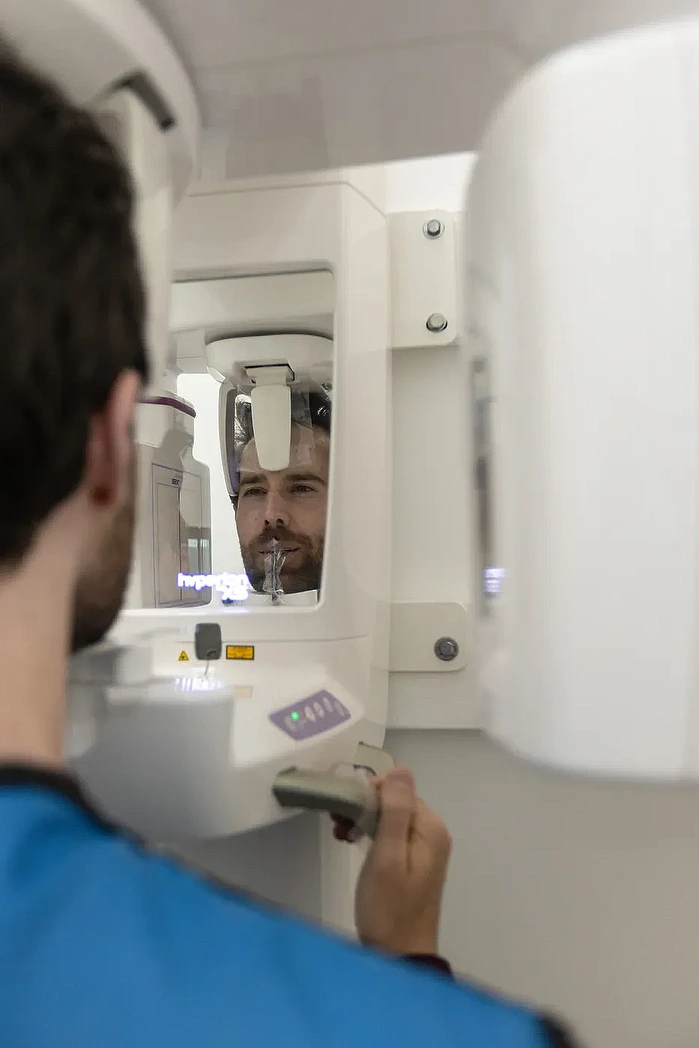
Two things matter in an emergency: being seen today, and being diagnosed correctly the first time. We hold same-day appointments, and the office runs digital X-rays, 3D imaging and laser dentistry — so the diagnosis is quick and the treatment is precise. See the technology.
Preventing the next one
- Keep up your checkups Routine visits catch problems before they escalate into emergencies. See exams and cleaning.
- Wear a mouthguard For contact sport or nighttime grinding, a custom-fitted guard protects against trauma and fractures. See night guards and sports guards.
- Do not chew hard objects Ice, hard candies and popcorn kernels crack teeth unexpectedly and often.

The short answer
Emergency dental care is same-day treatment for urgent dental problems such as a severe toothache, a knocked-out tooth, a broken or cracked tooth, an abscess, or a lost filling or crown. It starts with a quick diagnosis using tools such as digital X-rays and 3D imaging, followed by treatment to stop infection spreading, protect an exposed tooth and preserve what is left of it. Acting quickly is often what saves the tooth, especially when a tooth has been knocked out or an abscess is putting general health at risk.
Emergency Dental Care FAQ
- Can I be seen today?
- Yes — the office holds same-day emergency appointments and prioritizes urgent cases. Same-day slots exist so that neither the diagnosis nor the treatment has to wait until next week. Call the office as soon as the problem starts, and keep the situation stable while you travel. Bring any tooth that has come out, kept moist in milk or saline.
- My tooth has been knocked out. What do I do?
- Act immediately: place the tooth in a container of milk or saline solution if you can, and contact the office straight away. The chance of saving a knocked-out tooth falls away by the hour, so the first few minutes matter more than people expect. Keep the tooth moist, bring it with you, and use clean gauze to control any bleeding. The sooner you are treated, the better the chance of saving it.
- Is a bad toothache an emergency?
- A persistent or intense toothache is worth treating as an emergency, because it can indicate infection, deep decay or nerve damage. Pain that flares when you eat or drink is a particular reason to be seen. Waiting it out lets the underlying problem continue, and delay here leads to bigger problems. A same-day appointment lets the cause be diagnosed before it gets worse.
- What if I have swelling and a fever?
- Swelling with a fever suggests an abscess, which is a serious infection that can threaten your general health if it is not treated. An abscess needs immediate care to drain the infection and stop it spreading. A cold compress applied to the outside of the face can help keep the swelling down until you are seen. Contact the office as soon as possible rather than waiting to see whether it settles.
- I have lost a filling or a crown — can it wait?
- It is better not to wait, because the tooth underneath is now exposed to damage and decay. Avoid chewing on that side of your mouth until it has been seen. Contact the office as soon as you can so the tooth can be protected again. Leaving it exposed gives a small problem the chance to become a larger one.
- How do I avoid dental emergencies?
- Regular checkups, a custom mouthguard and not chewing hard objects prevent many dental emergencies. Routine visits catch problems before they escalate into emergencies. A custom-fitted guard for contact sport or nighttime grinding protects against trauma and fractures. Ice, hard candies and popcorn kernels crack teeth unexpectedly and often, so avoiding them prevents a surprising number of cracked teeth.