
Preventive Dentistry
Oral Cancer Screening in Downtown Los Angeles
Two minutes at every checkup, and the reason it gets caught early.
Up to 25% of oral cancer cases are diagnosed in people who do none of the high-risk things — no tobacco, no heavy drinking. That is why Smile LA Downtown Modern Dentistry screens every patient at every checkup rather than only those who ask.
The screening
What the screening involves
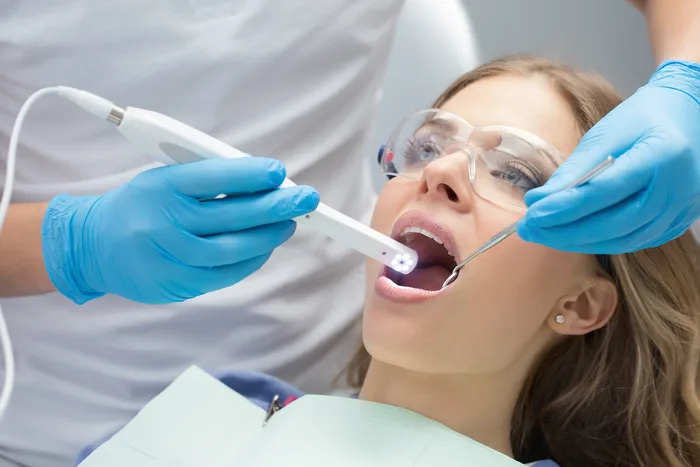
A thorough examination of your mouth, face and neck, looking for anything abnormal. It is quick and it is painless, and it happens as part of your regular checkup — there is nothing to book separately and nothing extra to sit through. Most patients who have had one do not remember it as a distinct event, because it is folded into the same few minutes as the rest of the examination. That is deliberate. A screening that has to be requested is a screening that gets requested by the people already worried about it, and the value of doing it this way is that it reaches everyone else. It costs you nothing and takes no additional time.
- The soft tissue The tongue, floor of the mouth, cheeks, palate and throat are examined for changes in color or texture.
- The face and neck Examined for anything that does not belong, including swelling you would not necessarily notice yourself.
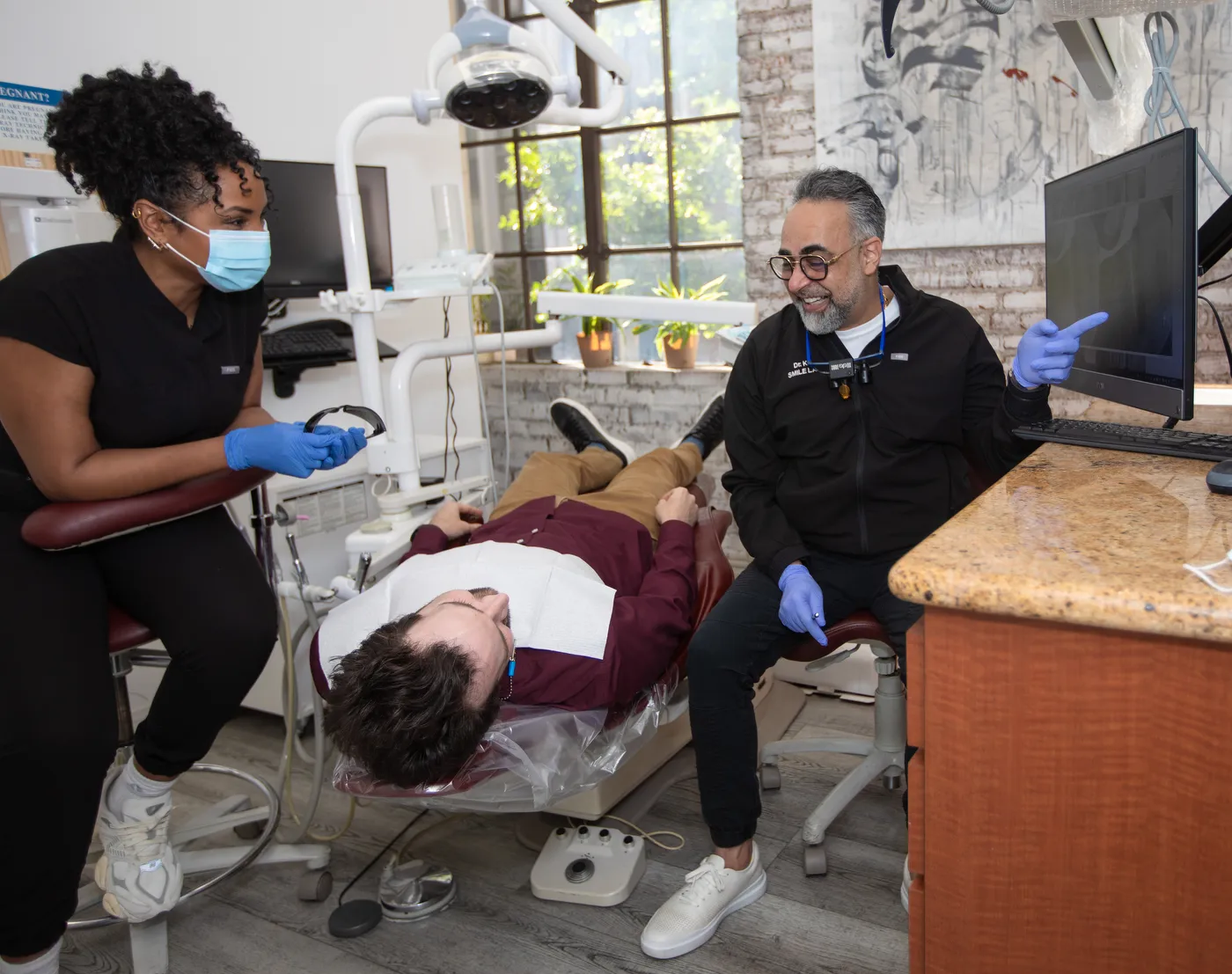
- What we tell you If we see something worth watching, you will hear about it and we will explain what happens next.
Why everyone
Why it is done on everyone
The instinct is to think of oral cancer as something that happens to smokers and heavy drinkers. Up to a quarter of cases are diagnosed in people with neither habit, and that is precisely the group least likely to be looking for it. Screening at every checkup removes the need for anyone to decide whether they are at risk.
Early detection is the whole point
Detecting the disease early gives patients the best chance of a fast and complete recovery. The screening itself changes nothing; when it finds something, the timing does.
When you will have one
At every checkup. Most patients come every six months — see exams and cleaning for what the rest of that visit covers, and preventive dental care for the wider picture.

The short answer
An oral cancer screening is a quick examination of the mouth, face and neck that looks for early signs of oral cancer. The tongue, floor of the mouth, cheeks, palate and throat are checked for changes in color or texture, and the face and neck for swelling or anything that does not belong. It is performed at every dental checkup for every patient, because up to 25% of oral cancer cases are diagnosed in people who do not use tobacco or drink heavily.
Oral Cancer Screening FAQ
- Do I need to book a screening separately?
- No, you do not need to book an oral cancer screening separately. It is performed during every dental checkup, as part of a visit you were already having. It takes no additional time and costs you nothing extra. Most patients come for a checkup every six months, so the screening happens on that schedule.
- Does it hurt?
- No, an oral cancer screening does not hurt. It is a quick and thorough examination of your mouth, face and neck. The soft tissue is checked for changes in color or texture, and the face and neck for swelling. Most patients do not remember it as a separate event because it is folded into the rest of the checkup.
- I do not smoke or drink. Do I still need one?
- Yes, non-smokers and non-drinkers still need oral cancer screening. Up to 25% of oral cancer cases are diagnosed in people who do not engage in high-risk behaviors like tobacco use or excessive alcohol consumption. That group is the least likely to be looking for it. Screening everyone at every checkup removes the need for anyone to decide whether they are at risk.
- What is the point of finding it early?
- Finding oral cancer early gives patients the strongest chance of a fast and complete recovery. The screening itself changes nothing about the disease. What it changes is the timing, when something is found. That is why it is done routinely rather than only when someone is already worried.
- What happens if you find something?
- If the screening finds something worth watching, you are told what was seen and what the next step is. A screening identifies things worth investigating; it is not a diagnosis on its own. The next step depends on what was found. You will hear about anything worth watching rather than having to ask.