


Oral Surgery
Sinus Lift in Downtown Los Angeles
Making room for an implant where the sinus is in the way.
Upper back molars sit directly beneath the maxillary sinus, and once those teeth are gone the bone between the two thins. A sinus lift creates the height an implant needs. Smile LA Downtown Modern Dentistry plans it from a 3D cone beam scan.
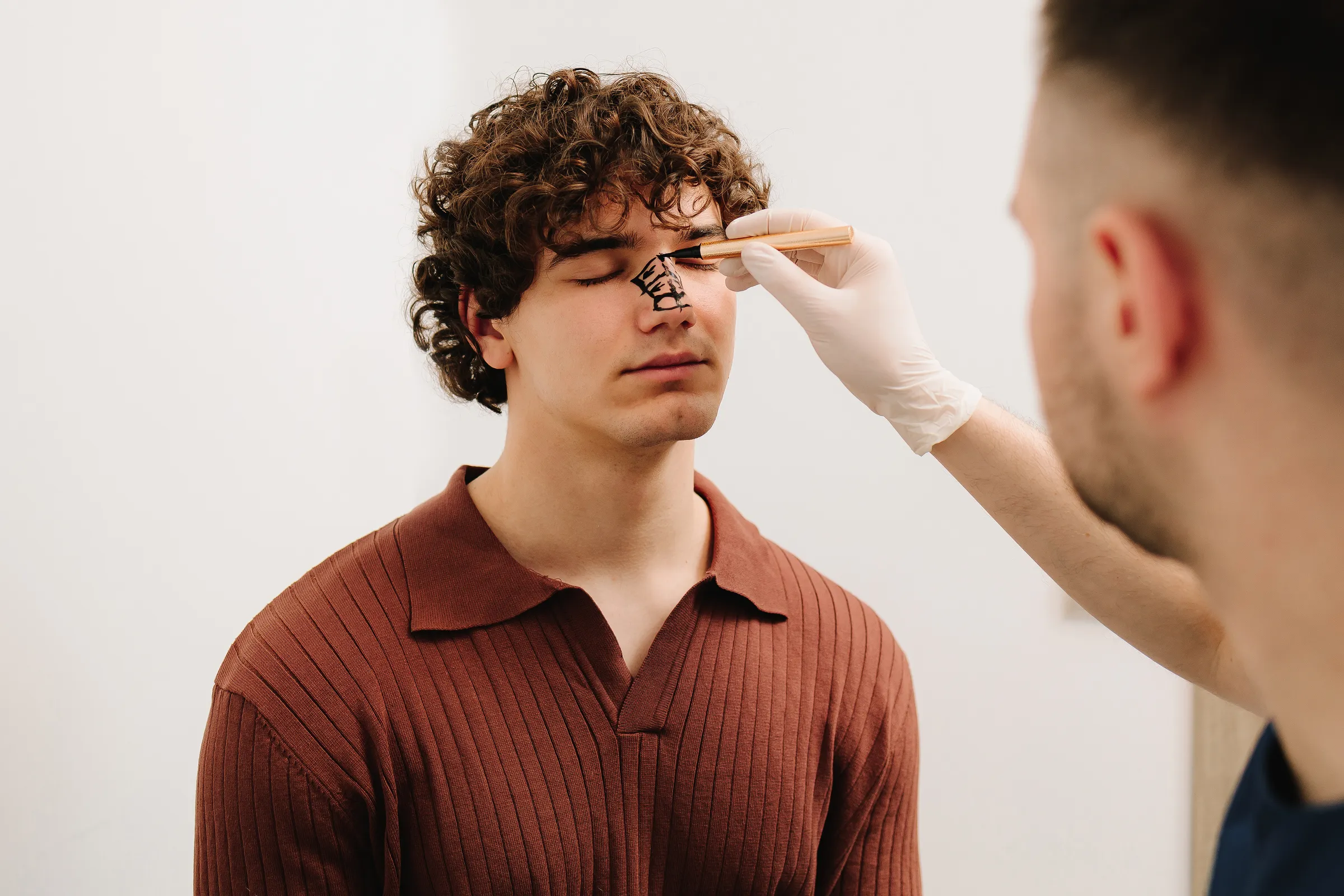
A special case
Why the upper back jaw is a special case
The upper back jaw is the site where implants most often run out of room, for two reasons working at once. The maxillary sinus sits immediately above it, and the bone there is naturally less dense than anywhere else in the mouth. Lose an upper molar and the ridge then resorbs from below while the sinus gradually expands from above, so the available height is squeezed from both directions at the same time. That is why a case that would be routine lower down can be impossible here without preparation, and why the answer has its own name rather than being described as a graft. It is a specific solution to a specific piece of geometry, and the scan is what establishes whether you need it.
The procedure
What the procedure does
The membrane lining the floor of the sinus is carefully lifted, and grafting material is placed in the space created beneath it. As that integrates, it becomes bone the implant can anchor into. It is a specific answer to a specific geometry, which is why it has its own name rather than being described simply as a bone graft.
- Planned from 3D imaging Cone beam CT shows the height available and where the sinus floor actually sits — this is not a procedure to plan from a flat X-ray.
- Sometimes at the same time as the implant Sometimes before it. Which depends on how much height is there to start with.
- Only where it is needed Not every upper implant requires one.
What we have not stated
Healing time, graft material and whether the implant can be placed simultaneously all depend on your own anatomy. Those answers belong in a consultation with your scan on the screen. Longer surgical appointments like this are also where IV sedation is most often used.
Related
Dental implants, bone grafts, and All-on-4, which is often chosen precisely because angling the implants can avoid needing this.
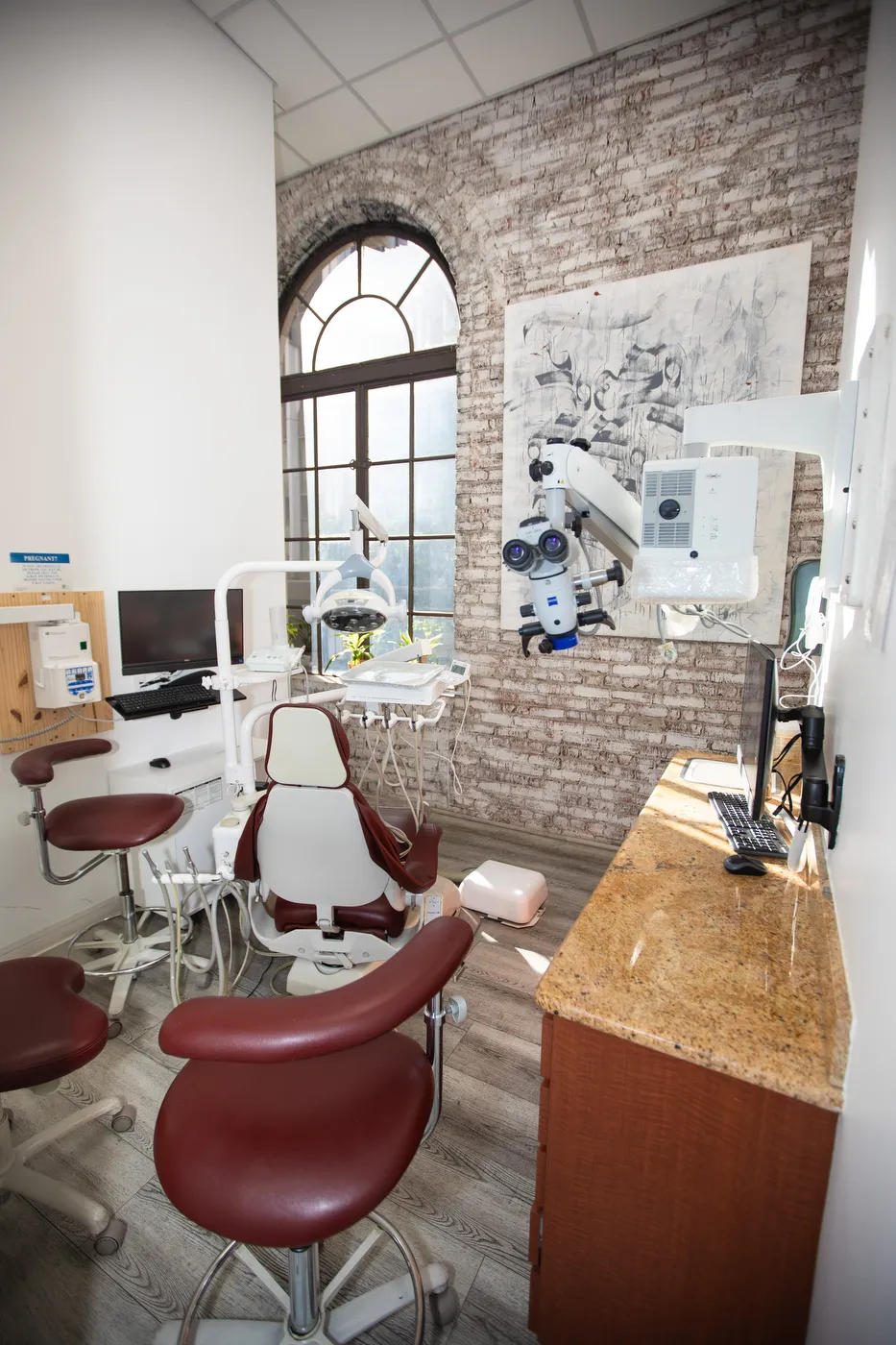
The short answer
A sinus lift is a grafting procedure that adds bone height to the upper back jaw beneath the maxillary sinus, where there is too little bone to place a dental implant. The membrane lining the floor of the sinus is carefully lifted and grafting material is placed in the space created beneath it, which integrates into bone the implant can anchor into. It is planned from a 3D cone beam scan and is only needed where that scan shows insufficient height.
Sinus Lift FAQ
- Why do I need a sinus lift?
- A sinus lift is needed when there is not enough bone height between the ridge and the maxillary sinus for an implant to anchor into. After an upper back tooth is lost, the ridge resorbs from below while the sinus gradually expands from above, so the available height is squeezed from both directions. The bone in that area is also naturally less dense than elsewhere in the mouth.
- Do all upper implants need one?
- No, a sinus lift is only needed where the scan shows insufficient bone height in the upper back jaw. Cone beam CT shows how much height is available and where the sinus floor actually sits. A flat X-ray is not enough to plan it, which is why the 3D scan comes first.
- Is it done at the same time as the implant?
- Sometimes, depending on how much bone height there is to begin with. In some cases the sinus lift is done at the same time as the implant and in others before it, and the 3D scan establishes which applies. Healing time and graft material also depend on your own anatomy and are discussed at a consultation with your scan.
- Can All-on-4 avoid it?
- Often, yes. All-on-4 angles the rear implants to engage denser bone further forward, which is part of why it can frequently avoid grafting. That is why it is often chosen where a sinus lift would otherwise be needed.