General Dentistry
Sleep Apnea Treatment in Los Angeles
Breathe easier, sleep better.
Sleep matters more than most things to your health, and sleep apnea takes it away in pieces. Dr. Kourosh Yousefzadeh and Dr. Razmik Galustian diagnose and treat it at Smile LA Downtown Modern Dentistry, with treatment chosen around your case rather than a default.
The condition
What sleep apnea is
A serious sleep disorder in which breathing is repeatedly interrupted during sleep. Those interruptions — apneas — can happen hundreds of times a night, and each one briefly rouses your body so that breathing resumes. You will not usually remember any of it. What you experience is simply sleep that does not restore you, however many hours of it you get, because the sleep is being broken into fragments too short to do their work. Left untreated, sleep apnea is associated with high blood pressure, heart disease, stroke and diabetes, which is why it is treated as a medical problem rather than a snoring problem. It comes in two forms, and they have different causes.
- Obstructive sleep apnea (OSA) The most common form, caused by a physical blockage of the airway — usually soft tissue at the back of the throat collapsing.
- Central sleep apnea (CSA) Less common. The brain fails to send the correct signals to the muscles that control breathing.
Symptoms people miss
Symptoms people miss
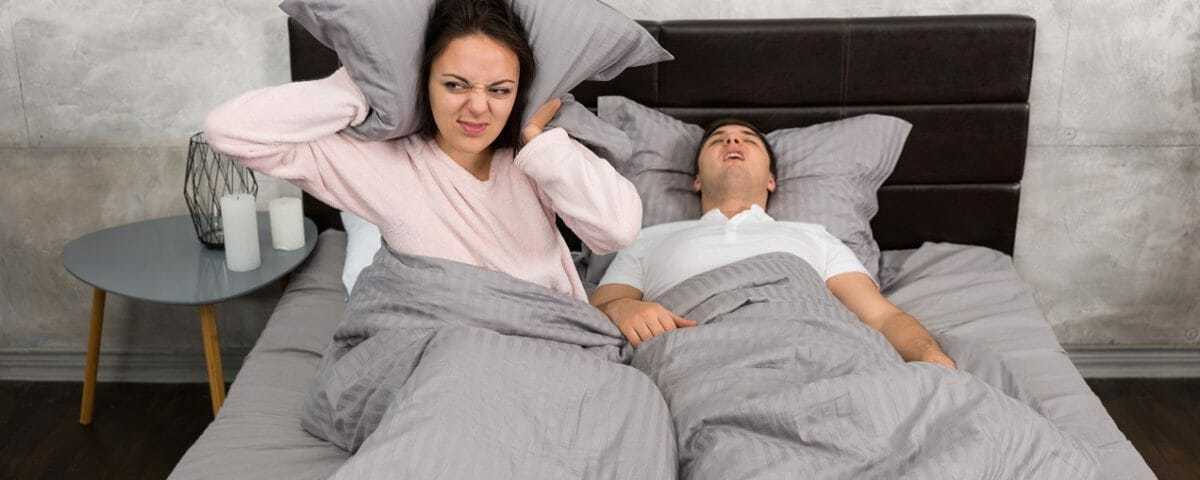
Many people with sleep apnea have no idea they have it — the person next to them usually notices first.
- Loud, persistent snoring Night after night, not occasionally.
- Waking up gasping or choking The apnea ending.
- Daytime sleepiness or fatigue Excessive, despite time in bed.
- Morning headaches Present on waking.
- Difficulty concentrating Or problems with memory.
- Irritability or mood changes A common second-hand sign.
- Frequent waking through the night Without an obvious cause.
If you or your partner recognize these, it is worth getting a professional diagnosis.
Treatment options
- Custom-fitted oral appliances For many patients this is the effective answer. The appliance — often called a night guard — gently repositions the jaw and tongue to hold the airway open during sleep, reducing or eliminating the apneas.
- Continuous positive airway pressure (CPAP) For moderate to severe cases. A continuous stream of air through a mask over the nose or mouth keeps the airway open.
- Lifestyle modifications For some patients, losing weight, avoiding alcohol before bed and sleeping on your side reduce the severity.
- Surgical options In severe cases, or where other treatments have not worked, surgery to remove obstructions or enlarge the airway may be recommended.
At your consultation Dr. Kourosh Yousefzadeh and Dr. Razmik Galustian will evaluate your condition and recommend the plan that suits it. See also custom night guards.
The short answer
Sleep apnea is a serious sleep disorder in which breathing is repeatedly interrupted during sleep, usually because soft tissue at the back of the throat blocks the airway. A dentist treats it most often with a custom-fitted oral appliance that gently repositions the jaw and tongue to hold the airway open, while CPAP, lifestyle changes or surgery suit other cases. It is treated after a professional diagnosis because untreated sleep apnea is associated with high blood pressure, heart disease, stroke and diabetes.
Sleep Apnea FAQ
- Can a dentist treat sleep apnea?
- Yes — for many patients a custom-fitted oral appliance from a dentist is an effective treatment for sleep apnea. The appliance gently repositions the jaw and tongue to keep the airway open through the night, reducing or eliminating the apneas. It is often called a night guard. The consultation evaluates your condition and recommends the plan that suits it.
- What are the two types?
- The two types are obstructive sleep apnea and central sleep apnea. Obstructive sleep apnea is the most common and is caused by a physical blockage of the airway, usually soft tissue at the back of the throat collapsing. Central sleep apnea is less common and happens when the brain fails to send the correct signals to the muscles that control breathing. The two have different causes, which is why the diagnosis matters before treatment is chosen.
- What happens if I leave it untreated?
- Untreated sleep apnea is associated with high blood pressure, heart disease, stroke and diabetes. That is why it is treated as a medical problem rather than a snoring problem. The fragmented sleep itself also has significant effects, leaving you unrested however many hours you spend in bed. Daytime fatigue, morning headaches and difficulty concentrating are common signs of that broken sleep.
- Is an oral appliance an alternative to CPAP?
- For many patients, yes — a custom-fitted oral appliance is an effective alternative to CPAP. CPAP, a continuous stream of air through a mask over the nose or mouth, is generally recommended for moderate to severe sleep apnea. The oral appliance instead repositions the jaw and tongue to hold the airway open. Which is right depends on your case, and that is what the consultation establishes.
- I only snore — is that sleep apnea?
- Not necessarily — loud, persistent snoring is one of the most common symptoms of sleep apnea, but not everyone who snores has it. Waking up gasping or choking, daytime fatigue, morning headaches and frequent waking through the night are the other signs worth acting on. Many people do not know they have it, and the person next to them usually notices first. If you recognize these signs, a professional diagnosis is what settles it.
- Can changing habits help?
- For some patients, yes — changing habits can reduce the severity of sleep apnea. Losing weight, avoiding alcohol before bedtime and sleeping on your side are the changes that can help. Whether they are enough on their own depends on your case, and that is what the consultation establishes.